
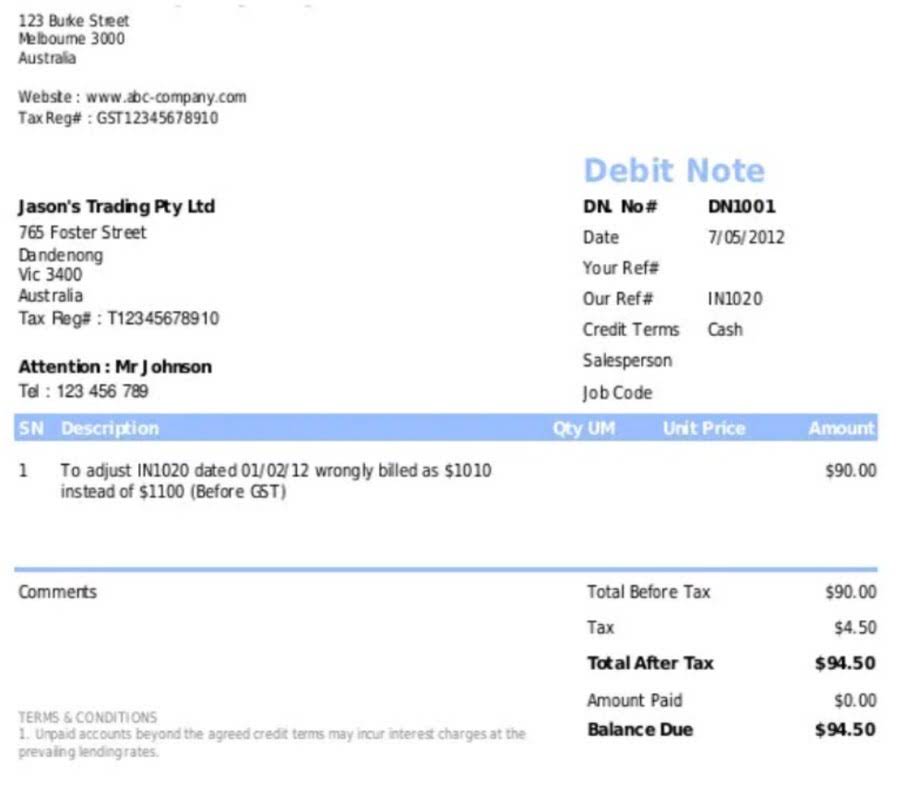
Two companies report similar EBITDA but vastly different earnings after accounting for interest costs. So, EBITDA should not be viewed in isolation but as part of a more comprehensive financial health analysis of leverage, interest coverage, and liquidity. EBIDAX is an EBITDA variation used specifically in the oil and gas industry. It includes the costs of geophysical surveys, exploratory drilling, and dry holes. By excluding exploration costs, EBITDA understates the true operating cash flows for oil and gas firms. Earnings Before Interest, Taxes, and Amortisation (EBITA) is an important financial metric used by investors and analysts to evaluate and compare companies, especially their operating profitability.

How to Research Stocks
- In addition to writing for Foundr, her work has been published by The Washington Post, Teen Vogue, Bustle, and more.
- In practice, EBIT reflects operational performance already influenced by asset usage and wear, while EBITDA provides a clearer view of production and commercial efficiency.
- The EBITDA formula is calculated by subtracting all expenses except interest, taxes, depreciation, and amortization from net income.
- Investors and analysts sometimes use EBITDA as a rough proxy for profit from operations or as a starting point for cash flow analysis.
- Business people can also use EBITDA multiple to analyze their corporation’s enterprise value to the yearly earnings before interest, taxes, depreciation, and amortization.
It also excludes non-cash expenses like depreciation, which may or may not reflect a company’s ability to generate cash that it can pay back as dividends. Many non-operating expenses — like interest, taxes, and depreciation of intangible and tangible expenses — can significantly fluctuate from year to year and business to business. Therefore, stripping away such elements and comparing crude earnings over time helps companies better measure success and how well they are performing compared to similar companies that are industry peers.
EBITDA: What It Is, Why It Matters, Formula and Calculator
Adjusted EBITDA aims to provide a clearer picture of a company’s ongoing business operations. It determines how many times a company covers its annual interest expense using its EBITDA. The higher the Ratio, the more comfortably the company services its debt obligations from ongoing operations. A lower EV/EBITDA ratio indicates a cheaper valuation relative to the company’s true earning capacity. Comparing EV/EBITDA multiples helps identify under or overvalued stocks within an industry. EBITDA margins (EBITDA as a percentage of revenues) also provide useful insights.
How is EBITDA calculated?
This is because, by ignoring expenditure, it can allow companies to subvert any problem areas in their financial statements. Due to the nature of the formula and the information it discounts, it can overshadow some risks in a company’s performance. The benefit to the EBITDA multiple is that it takes company debt into account, which other multiples like the Price-to-Earnings ratio doesn’t consider. All calculations can be incredibly useful in the process of discovering the value of a business, which is why they are regularly applied by prospective buyers and investors to compare companies.
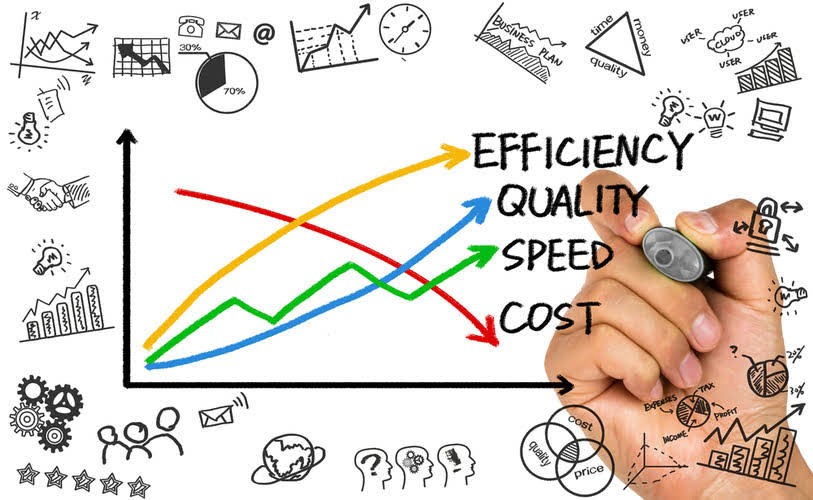

EBITDA is short for earnings before interest, taxes, depreciation and amortization. It is one of the most widely used measures of a company’s financial health and ability to generate cash. Generally, a higher EBITDA indicates better profitability and operational efficiency. However, it’s essential to compare a company’s CARES Act EBITDA to its industry peers to gain meaningful insights. Additionally, evaluating EBITDA margins (EBITDA divided by total revenue) can provide a clearer picture of how effectively a company converts revenue into operating profit. While useful for comparison, EBITDA does have limitations as a metric on its own.
- For example, adjusted EBITDA often includes “one-off” expenses that most people would consider operating expenses, such as one-time legal fees, stock-based executive compensation, and other employee expenses.
- However, there is no precise definition of what constitutes extraordinary costs and income.
- Using EBITDA in this formula can result in a low multiple, signaling a buying opportunity, while in truth the multiple is low because EBITDA doesn’t represent the bottom-line earnings.
- But if your EBITDA value is negative as well, it’s time to look to cut your day-to-day costs of operations.
By excluding amortization from net income, EBITDA provides a better indication of the company’s true earnings potential. Investors who are willing to pay a higher price/earnings multiple for a stock with higher EBITDA relative to net income. Declining margins are a red flag, signaling potential problems in a company’s profitability. Investors should look for clean EBITDA without a lot of adjustments or add-backs. Non-GAAP Cash Flow Statement EBITDA that strips out normal operating costs skews the true picture.

After all, the items excluded from EBITDA — interest, taxes, and non-cash expenses — are still real items with financial implications that should not be dismissed or ignored. Because Depreciation and Amortization are excluded from the calculation, what is ebitda EBIT assumes that the company’s depreciation expenses will generally line up with its capital expenditures each year. In its simplest definition, EBITDA is a measure of a company’s financial performance, acting as an alternative to other metrics like revenue, earnings or net income. A negative EBITDA indicates that a company’s core operations are not generating enough revenue to cover their direct operating expenses, suggesting the business is fundamentally unprofitable. While EBITDA measures profitability, the cash flow statement shows how a company generates and uses its cash, covering operating, investing and financing activities. This measure takes the standard EBITDA formula and adjusts it for items that might distort a company’s true operational profitability.
Calculate EBITDA to Find The Value of Your Business
A higher EBITDA generally indicates greater cash flow available for servicing debt, funding growth, and returning money to shareholders through dividends and buybacks. As such, analysts and investors routinely calculate and evaluate EBITDA when conducting due diligence on stocks to invest in. By removing non-cash expenses like depreciation and amortization, it overstates the true cash earnings of a company. Capital-intensive companies with significant fixed assets have much lower cash flows than EBITDA implies.